From Manual Payroll to Automated HR: A Guide for Small Businesses in Nigeria
Learn how Nigerian SMEs can move from manual payroll to automated HR systems. Discover the benefits, steps, and results with Salesmanager HR Suite.

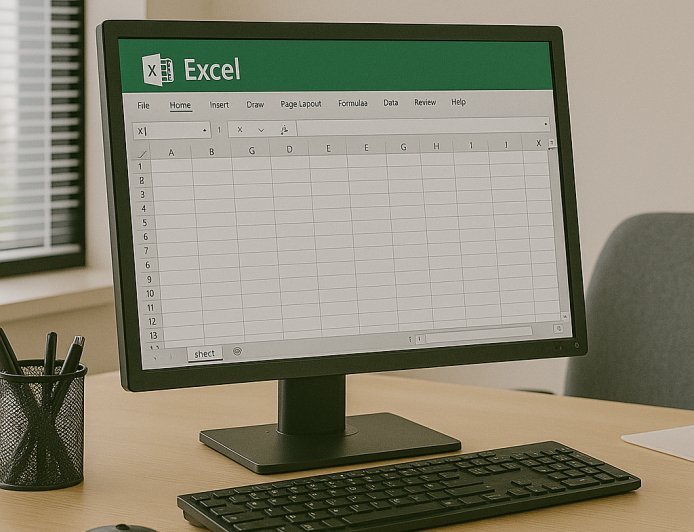

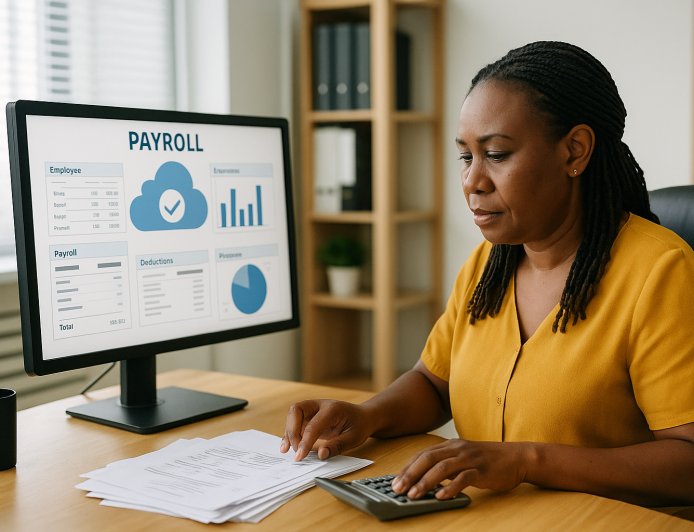
If you’re still running payroll manually — using Excel, calculators, or handwritten sheets — you already know how stressful payday can be.
Between calculating deductions, tracking attendance, and preparing payslips, human errors are almost guaranteed.
But here’s the truth:
Automating your payroll and HR processes doesn’t just save time — it protects your business, builds trust with employees, and ensures compliance with Nigerian regulations.
Let’s walk through how your business can make the shift from manual to automated HR — smoothly.
1. The Hidden Costs of Manual Payroll
Manual payroll may look cheaper at first, but it costs more in the long run.
Common problems include:
-
Calculation errors — leading to overpayments or underpayments.
-
Late salary processing — which lowers staff morale.
-
Paper-based records — hard to retrieve during audits.
-
No backup — one system crash or misplaced file can wipe out months of data.
For a growing SME, this kind of inefficiency is a silent business killer.
2. What Automated HR & Payroll Systems Do

An automated HR system (like Salesmanager HR Suite) simplifies every part of the employee management cycle — from onboarding to final payout.
Key functions include:
-
Attendance tracking (biometric or digital check-in).
-
Automatic salary computation with tax & pension deductions.
-
Payslip generation in one click.
-
Leave management and approval workflows.
-
Data security through cloud backups.
In short, it’s like having an entire HR department working 24/7 — but at a fraction of the cost.
3. How to Transition From Manual to Automated HR
Switching systems can sound intimidating, but with the right plan, it’s easy.
Here’s a simple 4-step process:
-
Audit your current process: Note how you calculate salaries, deductions, and attendance.
-
Choose the right software: Look for one designed for Nigerian payroll rules (PAYE, NHF, Pension, etc.).
-
Migrate data carefully: Import existing employee details, salary structures, and leave balances.
-
Train your team: Ensure your HR and finance staff know how to use the system confidently.
Salesmanager offers free onboarding and training, so you don’t have to figure it out alone.
4. Benefits You’ll Notice Instantly
-
No more salary delays.
-
Accurate deductions and reports.
-
Reduced disputes from staff.
-
Quick compliance with regulators (like FIRS).
-
Cloud access — view HR reports anywhere, anytime.
With automation, you can focus less on paperwork and more on people and growth.
5. Real-Life Example
A small logistics company in Abuja with 23 staff switched from manual payroll to Salesmanager HR Suite.
In just two months:
-
Payroll processing time dropped from 2 days to 1 hour.
-
Overpayment errors reduced to zero.
-
Staff satisfaction improved because payslips arrived instantly via email.
Efficiency that used to take hours now happens automatically — every payday.
Conclusion
Manual HR systems belong in the past.
Automated payroll helps Nigerian SMEs run smarter, pay faster, and stay compliant.
Whether you’re managing 5 or 500 employees, it’s time to let technology handle the stress — so you can focus on business growth.
👉 Ready to automate your HR and payroll today?
Visit www.salesmanager.ng to request a free demo and discover how Salesmanager can transform your HR processes.
What's Your Reaction?
 Like
0
Like
0
 Dislike
0
Dislike
0
 Love
0
Love
0
 Funny
0
Funny
0
 Angry
0
Angry
0
 Sad
0
Sad
0
 Wow
0
Wow
0