Managing Service & Repair Jobs Efficiently: A Workflow Guide for Nigerian Workshops
Learn how to manage repair and service jobs efficiently with a digital workflow. Discover how Salesmanager helps Nigerian workshops stay organized and profitable.



Running a service or repair business in Nigeria — whether it’s phones, electronics, vehicles, or equipment — can get messy fast.
Customers come in with urgent jobs, parts need tracking, payments get delayed, and staff forget deadlines.
If you’re managing everything manually, it’s easy for jobs to pile up, customers to complain, and profits to disappear.
To stay competitive, Nigerian workshops need a smarter system — one that tracks jobs, technicians, parts, and payments automatically.
Here’s how to manage service and repair jobs efficiently, step by step.
1. Create a Clear Job Intake Process
Every repair job should start with clear documentation — what item came in, who owns it, what’s wrong, and what it will cost.
✅ Use a digital job card instead of a paper form.
With Salesmanager Service Suite, every job is logged automatically with:
-
Customer details
-
Device/vehicle info
-
Problem description
-
Technician assigned
-
Estimated cost & delivery date
This prevents confusion and disputes later.
2. Assign Technicians with Accountability
Instead of shouting across the workshop or scribbling names on paper, assign jobs through the system.
✅ The software notifies each technician about:
-
Their assigned tasks
-
Due dates
-
Any required spare parts
This improves workflow visibility and ensures no job is forgotten.
3. Track Job Progress in Real Time
Customers love transparency.
With digital job tracking, you can update job status — Received, In Progress, Awaiting Parts, Completed — and notify clients automatically.
✅ Workshop owners can see:
-
Which jobs are delayed
-
Which technicians are most efficient
-
Which parts are being used most often
No more guessing. Just full control.
4. Manage Spare Parts and Inventory
One of the biggest profit leaks for repair businesses is poor parts management.
Parts get used but not recorded, leading to lost stock and unbilled items.
✅ A service management system like Salesmanager links repairs directly to your inventory.
When a part is used, it’s automatically deducted from stock — ensuring every item is accounted for.
5. Simplify Billing and Payment
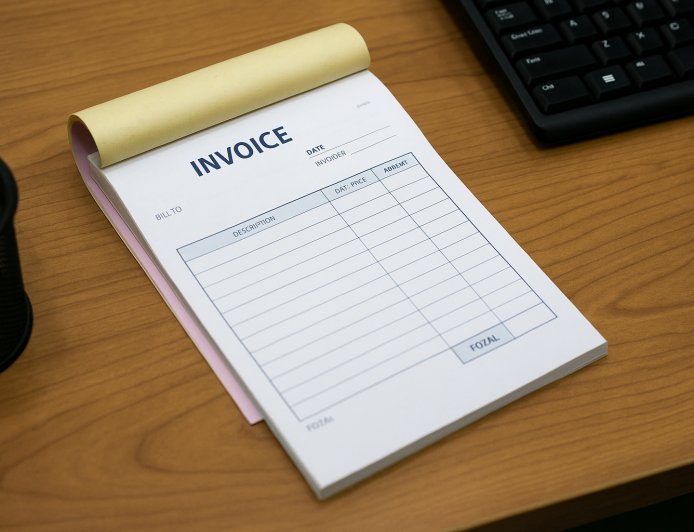
Manual invoicing causes delays and confusion.
With a proper workflow system, you can:
-
Generate invoices instantly
-
Send receipts by email or SMS
-
Track pending balances
You’ll know exactly who has paid, who owes, and which jobs are complete.
This keeps cash flow healthy and customers happy.
6. Store Job History for Future Reference
Every customer’s service history is automatically saved — from repairs done to parts replaced.
So when they return, you have all the details ready in seconds.
✅ This builds trust and loyalty, showing customers you remember and care about their business.
7. Benefits of an Automated Workflow

By managing jobs digitally, your workshop can:
-
Increase productivity by 30–50%
-
Eliminate paper clutter
-
Improve accountability among technicians
-
Reduce delays and forgotten jobs
-
Keep customers informed and satisfied
Automation turns a scattered workshop into a professional service business.
Conclusion
Running a workshop doesn’t have to be chaotic.
With a streamlined, automated workflow, you can manage every repair from intake to delivery — without stress or confusion.
The future of Nigerian service businesses is digital — and Salesmanager Service Suite makes it simple, smart, and affordable.
👉 Ready to organize your workshop and increase efficiency?
Visit www.salesmanager.ng to start your free demo and see how Salesmanager helps Nigerian workshops manage jobs like pros.
What's Your Reaction?
 Like
0
Like
0
 Dislike
0
Dislike
0
 Love
0
Love
0
 Funny
0
Funny
0
 Angry
0
Angry
0
 Sad
0
Sad
0
 Wow
0
Wow
0