Training Your Team on New Business Software: Best Practices for Nigerian SMEs
Learn how to train your team effectively when adopting new business software. Discover proven best practices for Nigerian SMEs and how Salesmanager helps simplify onboarding.



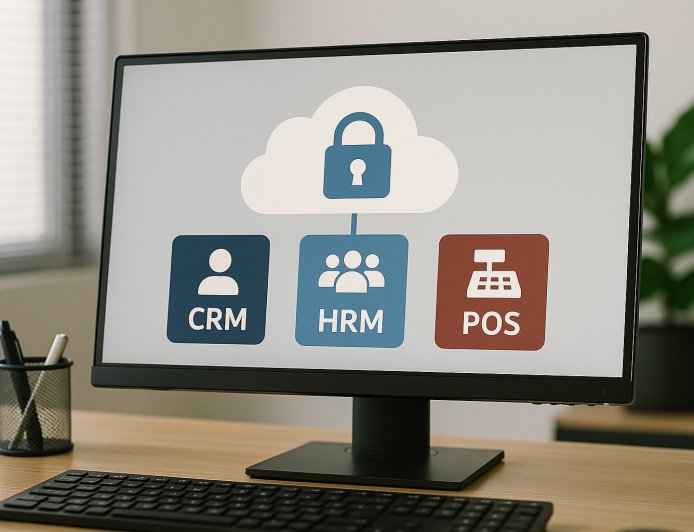
So, you’ve just invested in new business software — maybe a POS, CRM, or HR system — and you’re excited to improve efficiency.
But here’s a hard truth: if your team doesn’t understand how to use it, your investment won’t pay off.
In many Nigerian SMEs, new software fails not because it’s bad, but because staff adoption is poor.
People resist change, especially when they don’t understand it.
To make your transition smooth and successful, here’s how to train your team effectively on any new business software.
1. Start With the “Why”
Before introducing the tool, explain why you’re switching systems.
Most employees will resist change if they think it means “extra work” — but if they understand it’s meant to make their jobs easier, they’ll buy in faster.
✅ Tip: Clearly show how the software saves time, reduces manual errors, and helps them perform better.
2. Choose the Right Champions
Every team has influencers — people others look up to.
Identify 1–2 staff members who are tech-savvy and enthusiastic. Train them first.
They’ll act as internal champions, helping others learn faster and reducing dependence on external support.
3. Break Training Into Simple Steps
Don’t overwhelm your team with everything at once.
Structure your training into easy modules:
-
Day 1: Overview and basic navigation
-
Day 2: Performing daily tasks (e.g., sales, data entry, reports)
-
Day 3: Advanced features and troubleshooting
Keep sessions short, interactive, and practical. Nigerian employees learn best when they can see and do, not just listen.
4. Use Real Business Scenarios
Instead of showing random demos, use your company’s actual data — customer names, real transactions, or stock items.
This makes training relevant and memorable.
For example, a Lagos retail store can practice processing sales and generating reports with real prices and items.
5. Encourage Questions and Feedback

Let employees ask questions freely, even if they seem basic.
The goal isn’t to finish quickly — it’s to ensure everyone understands.
✅ Tip: Collect feedback after each session to identify areas of confusion and address them immediately.
6. Provide Ongoing Support
Training shouldn’t end on day one.
Have a support plan for:
-
New hires joining later
-
Staff who need a refresher
-
Updates or new features
With Salesmanager, for instance, clients get free onboarding and lifetime support, so your team always has help when needed.
7. Recognize and Reward Early Adopters
Celebrate those who learn fast and help others.
A simple “Employee of the Week” mention or small incentive motivates everyone to get comfortable with the system faster.
Conclusion
The key to getting the most from your business software isn’t just the technology — it’s your people.
When you invest time in training and support, your team becomes more confident, efficient, and productive.
That’s how Nigerian SMEs scale faster and reduce costly mistakes.
👉 Ready to train your team with the right business software?
Visit www.salesmanager.ng to explore easy-to-learn, all-in-one software solutions — built for Nigerian SMEs and supported every step of the way.
What's Your Reaction?
 Like
0
Like
0
 Dislike
0
Dislike
0
 Love
0
Love
0
 Funny
0
Funny
0
 Angry
0
Angry
0
 Sad
0
Sad
0
 Wow
0
Wow
0