Why Tracking Expiry Dates and Lots Matters in Nigerian Pharmacies (and How to Do It)
Discover why expiry and lot tracking is essential for Nigerian pharmacies. Learn how Salesmanager software helps prevent losses, ensure compliance, and boost profit.



Every year, Nigerian pharmacies lose millions of naira to expired and mismanaged stock — from drugs sitting too long on the shelf to poor batch tracking and human error.
Beyond the financial loss, there’s also a serious compliance risk. Selling expired medicine can lead to fines, damaged reputation, or license suspension.
That’s why tracking expiry dates and lot numbers isn’t just good practice — it’s essential for safe, profitable, and professional pharmacy management.
Let’s break down why it matters, and how you can do it efficiently using modern business software.
1. What Are Lot Numbers and Expiry Tracking?
-
Lot Number (Batch Number): Identifies a specific production batch of a drug. If there’s a recall or quality issue, this number helps trace which products are affected.
-
Expiry Date Tracking: Ensures you know exactly when each product or batch will expire — so you can sell or remove it in time.
Without these systems, you’re managing your pharmacy with guesswork.
2. Why It’s Critical for Nigerian Pharmacies
🧾 Compliance and Reputation
Regulatory bodies like NAFDAC expect every licensed pharmacy to manage stock safely.
If you accidentally sell expired medication, your brand’s trust and legal standing are at risk.
💸 Financial Loss Prevention
Expired drugs = direct revenue loss.
Without expiry alerts, pharmacies often discover expired items only during stock audits — too late to recover costs.
🔍 Recall Management
If a manufacturer issues a recall, lot numbers help you identify and remove affected drugs immediately — avoiding mass confusion.
🏪 Inventory Efficiency
When expiry tracking is automated, your software can prioritize near-expiry items for sale first — helping you reduce waste and boost turnover.
3. Common Challenges Pharmacies Face

-
Using Excel or handwritten stock books.
-
Staff forget to check expiry during sales.
-
No alerts for near-expiry products.
-
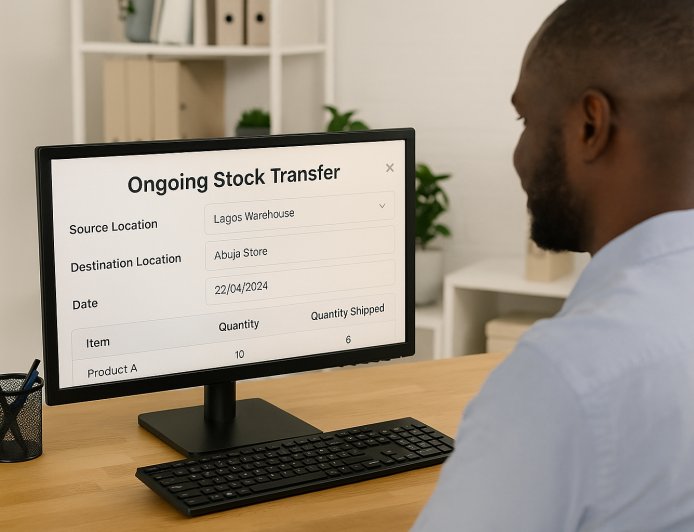
Confusing stock movement between main store and branches.
These small issues build up — and lead to huge losses over time.
4. How to Track Expiry Dates and Batches Efficiently
Modern pharmacy software like Salesmanager solves all these pain points through automation:
✅ Batch & Expiry Registration: Each item is tagged with its lot number and expiry date upon purchase.
✅ Auto Alerts: Receive notifications before products expire.
✅ Smart Reporting: Instantly view items expiring this month or next.
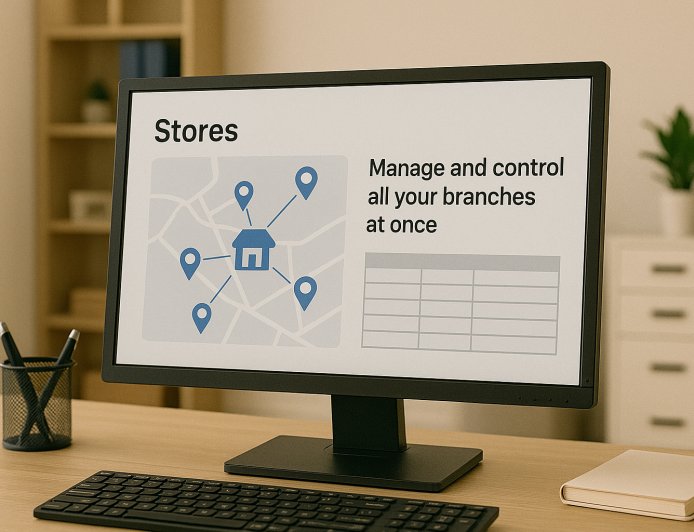
✅ Branch-Level Control: If you have multiple branches, you can manage all batches from one dashboard.
✅ Recall Tracking: Quickly isolate affected batches during recalls.
No more manual checks. No more last-minute panic.
5. The Bigger Picture — Profit & Trust
When customers know your pharmacy manages products responsibly, trust grows.
They feel safe buying from you — and they’ll come back again and again.
Plus, with accurate expiry tracking, you’ll never throw away inventory you could’ve sold in time.
Conclusion
In Nigeria’s competitive pharmacy industry, efficiency and compliance go hand in hand.
Expiry and lot tracking isn’t just about preventing losses — it’s about building a sustainable, trusted business.
With Salesmanager Pharmacy Suite, you get full control of expiry management, automated alerts, and powerful stock intelligence — all from your dashboard.
👉 Ready to prevent expiry losses and boost control?
Visit www.salesmanager.ng to schedule a free demo and see how Salesmanager helps Nigerian pharmacies stay compliant and profitable.
What's Your Reaction?
 Like
0
Like
0
 Dislike
0
Dislike
0
 Love
0
Love
0
 Funny
0
Funny
0
 Angry
0
Angry
0
 Sad
0
Sad
0
 Wow
0
Wow
0